
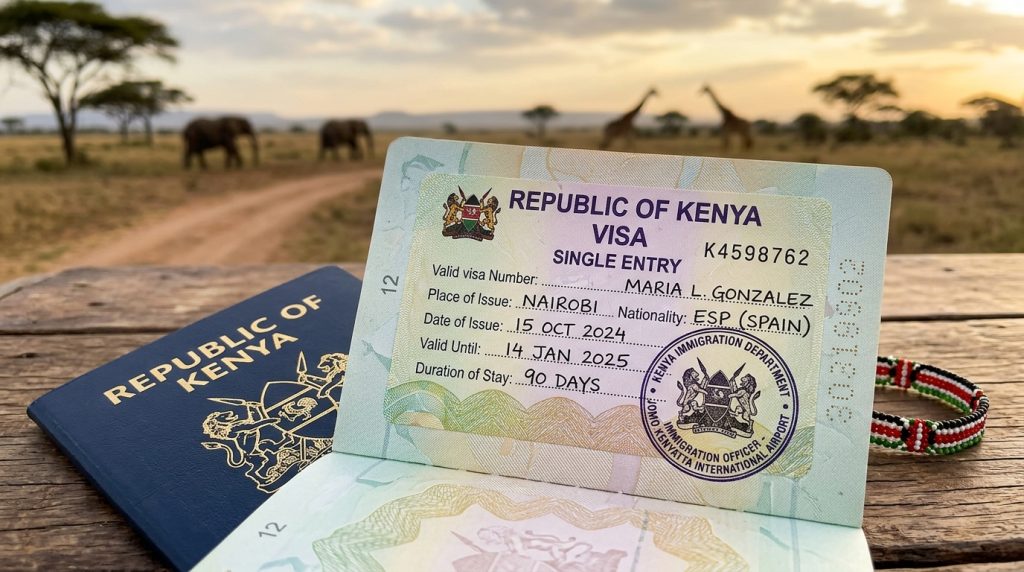
Kenya has firmly established itself as a primary commercial hub in East Africa, serving as a gateway for international investment, trade, and regional development. For professionals looking to explore the country’s vibrant economic landscape, understanding the current entry framework is the first step in ensuring a successful trip. As of 2026, the Kenyan government has streamlined its entry process, replacing traditional visa stickers with a highly efficient Electronic Travel Authorization (eTA) system. This shift reflects Kenya’s commitment to fostering a business-friendly environment for global partners.
Understanding the Business Entry Framework
Whether you are heading to Nairobi for a corporate conference, participating in trade negotiations, or exploring potential investment sectors such as renewable energy or fintech, you must comply with the latest immigration protocols. It is essential to recognize that while Kenya is open for business, it enforces clear distinctions between short-term professional activities and long-term employment.
For those planning to VISIT KENYA ON BUSINESS VISA protocols, the current eTA system is the primary vehicle for your travel authorization. This digital permit is specifically designed for short-term professional engagements, including meetings, seminars, and networking events. Unlike work permits, which are reserved for those seeking formal employment or long-term residence within the country, the eTA provides a fast-track solution for the transient business professional.
Determining Your Specific Needs
Before initiating your application, it is critical to assess your status according to current immigration regulations. Kenya maintains a sophisticated entry policy that varies depending on your nationality and the nature of your trip. While many travelers are required to obtain an eTA prior to departure, others may fall under specific visa-exempt categories based on regional partnerships or international agreements.
To ensure you are fully prepared, you should carefully review the KENYA VISA ELIGIBILITY criteria. Understanding whether you qualify for an exemption or if you must complete the eTA application process will prevent last-minute disruptions at your departure airport. Always verify your specific requirements using the official guidelines, as policies regarding international entry can be updated to reflect changing diplomatic relationships.
Documentation and Preparation
The efficiency of the eTA process relies on the quality and accuracy of the information you provide. To facilitate a smooth and quick approval, prepare the following documentation before you log into the application portal:
- Valid Passport: Your travel document must be valid for at least six months beyond your arrival date and must contain at least one blank page for official use.
- Business Support Documentation: While a standard eTA is sufficient for general meetings, carrying an invitation letter from a Kenyan host organization or your own company can provide essential context for border officials regarding your professional activities.
- Proof of Itinerary: Ensure you have confirmed return or onward flight details. Border officers often request evidence of your intended departure date to verify your compliance with short-term stay limits.
- Proof of Accommodation: A digital or printed confirmation of your hotel stay or a letter of invitation from a host is required as part of the submission process.
- Digital Assets: Have a recent, clear passport-style digital photograph ready to upload.
Best Practices for a Seamless Journey
The modern digital entry system is designed for speed, often providing results within 72 hours. However, professional travel plans can be sensitive to even minor administrative delays. It is highly recommended that you submit your application at least two weeks before your flight.
Furthermore, always ensure that the information entered during the application process matches your passport exactly. Even a minor discrepancy, such as a missing middle name or an incorrect passport number, can result in delays at the point of entry. Once your authorization is approved, store both a digital copy on your primary device and a printed hard copy in your carry-on luggage. By handling these logistical details with care, you allow yourself to focus entirely on the objectives of your trip, ensuring that your time in Kenya is both productive and professional.
