
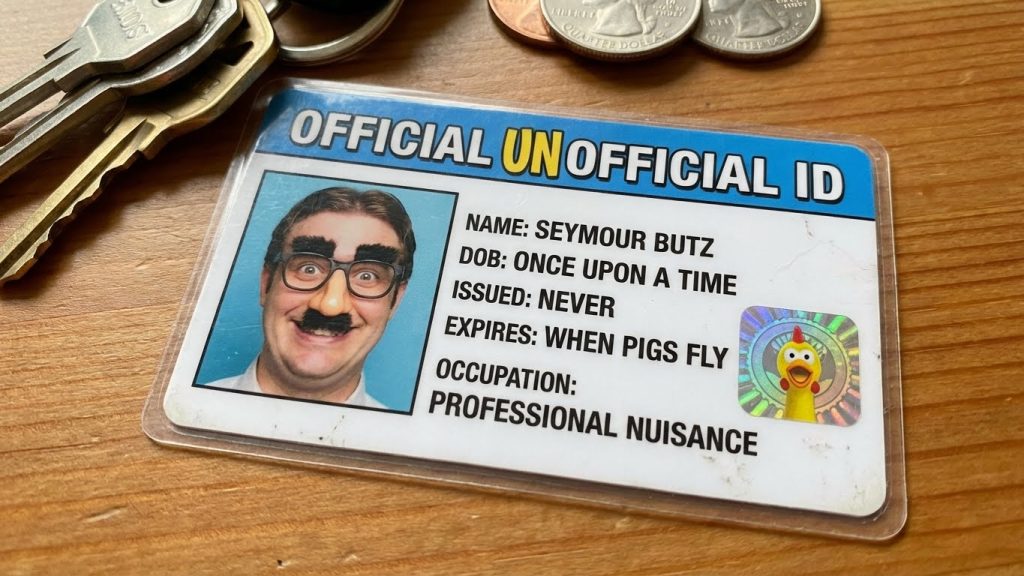
In an increasingly digital world, identity documentation has become a topic of both technological interest and legal importance. One term that often appears in online discussions and forums is Novelty ID. While frequently misunderstood, novelty IDs serve specific non-official purposes and are best examined through an educational and compliance-focused lens.
This article explores what novelty IDs are, how they differ from official identification, their legitimate uses, and why legal awareness is essential when discussing or collecting such items.
What Is a Novelty ID?
A Novelty ID is a non-government-issued identification card created for entertainment, display, educational, or artistic purposes. These items are not recognized as valid identification by any authority and are not intended for verification, access, or legal representation.
Novelty IDs are often used in:
- Film and theater productions
- Educational demonstrations
- Design portfolios
- Collectible or novelty item collections
- Community discussions about identity security
Understanding this distinction is critical for avoiding misuse and maintaining compliance with local laws.
The Difference Between Official IDs and Novelty IDs
Official identification documents are issued by government authorities and contain legally verifiable data. Novelty IDs, by contrast, are non-functional from a legal standpoint.
Key differences include:
- No legal authority or verification capability
- No use for age, identity, or access confirmation
- No official database registration
- No recognition by institutions or businesses
Educational discussions often use novelty IDs as visual examples to explain why secure document standards exist.
Design and Visual Characteristics
From a design perspective, novelty IDs are often discussed in forums for their visual and layout elements rather than functionality. These discussions may include:
- Typography styles
- Layout balance
- Color contrasts
- Non-official formatting
Design students and security researchers frequently analyze novelty ID visuals to understand what separates authentic documentation from non-official replicas.
Legal and Ethical Considerations
One of the most important aspects of discussing novelty IDs is legal awareness. Laws vary by region, but misuse of any document that resembles official identification can result in serious consequences.
Responsible discussions focus on:
- Legal boundaries
- Ethical responsibility
- Identity fraud prevention
- Public awareness
Forums that host conversations about novelty IDs often emphasize education over promotion, ensuring discussions remain within legal limits.
The Role of Online Forums
Community forums play a significant role in shaping how topics like novelty ID are understood. Educational forums provide space for:
- Awareness discussions
- Security analysis
- Legal clarification
- Academic interest
Well-moderated forums help ensure conversations remain informational and compliant rather than promotional.
Identity Security Awareness
One positive outcome of novelty ID discussions is increased awareness of identity security. By examining non-official documents, users can better understand:
- Why authentication features exist
- How fraud prevention works
- The importance of secure verification systems
This perspective supports public education rather than misuse.
Search Visibility and Responsible Content
From an SEO standpoint, content about novelty ID must be written carefully to remain indexable while avoiding policy violations. High-quality articles focus on:
- Informational intent
- Neutral language
- Compliance-focused discussion
- No calls to action involving misuse
This approach ensures long-term ranking stability and protects publisher credibility.
Conclusion
Novelty ID is a topic best approached with clarity, responsibility, and education. When discussed within legal boundaries, it can support learning about identity systems, security design, and compliance awareness.
By maintaining a professional and informational tone, publishers and forums can contribute valuable insight without encouraging misuse. Responsible content creation ensures both search engine trust and reader confidence in an increasingly regulated digital landscape.
