
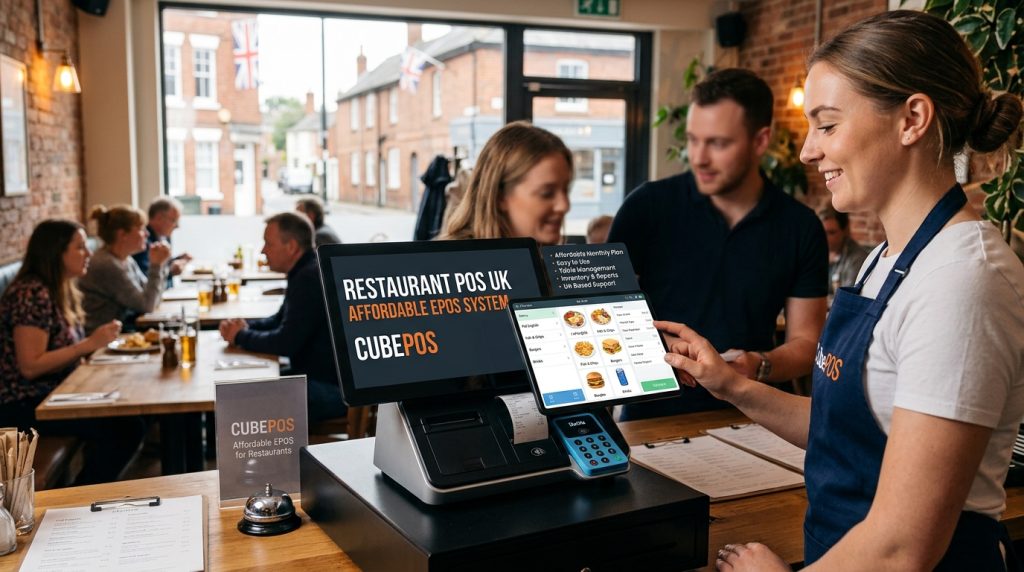
The hospitality industry is currently undergoing a significant shift toward digital integration. Across the United Kingdom, from independent bistros to bustling city-center cafes, business owners are recognizing that efficiency behind the counter is the key to customer satisfaction at the table. To stay competitive in 2026, establishments must move beyond simple cash handling and embrace comprehensive management solutions that streamline every aspect of their operations.
Optimizing the Birmingham Coffee Scene
Birmingham has emerged as a powerhouse for artisanal coffee and independent cafes. In such a vibrant and competitive market, the “morning rush” can be the most profitable—or the most stressful—part of the day. Implementing a specialized POS System for Coffee house in Birmingham allows baristas to focus on the quality of the brew rather than struggling with a slow interface.
These modern systems are designed to handle complex modifiers, such as dairy alternatives or specific roast selections, with minimal taps. This speed not only reduces queue times but also ensures that order accuracy remains high. Furthermore, for local businesses in the West Midlands, having a system that integrates seamlessly with digital loyalty schemes can turn a one-time visitor into a regular customer, fostering a sense of community that is vital for long-term growth.
Navigating the Demands of the Modern UK Restaurant
For full-service dining establishments, the operational requirements are even more complex. A robust Restaurant POS system UK acts as the central hub for the entire business, connecting the front-of-house staff directly to the kitchen. This real-time communication is essential for managing multi-course meals and ensuring that dietary requirements are communicated without error.
In the current UK market, diners have come to expect flexible payment options. Systems that support integrated “pay-at-table” technology and split-billing functionality significantly improve the guest experience at the end of the meal. Beyond the dining floor, these platforms provide managers with invaluable data insights. From tracking inventory levels to monitoring labor costs against live sales, having a clear view of the “business of food” allows for smarter, more profitable decision-making.
Key Benefits of Upgrading Your Tech Stack
Transitioning to a modern, cloud-based platform offers several distinct advantages for hospitality professionals:
- Reliability: Modern hardware is built to withstand the heat and spills of a busy kitchen or bar environment.
- Accessibility: Owners can monitor sales data and staff performance remotely, providing freedom and flexibility.
- Scalability: As a business grows from a single site to multiple locations, the software can easily scale to manage a larger operation.
By prioritizing user-friendly technology, hospitality owners can reclaim hours of administrative time every week. When the technical side of the business runs smoothly, the team is empowered to do what they do best: providing exceptional service and memorable culinary experiences. Investing in the right digital infrastructure is no longer just a luxury—it is the foundation for a resilient and thriving hospitality brand in today’s fast-moving economy.
